
Natural Nutrient Sources for Men's Well-being
Educational exploration of how natural foods provide essential nutrients for general wellness
Educational exploration of how natural foods provide essential nutrients for general wellness
Understanding the role of nutrition in supporting general health and daily well-being
Nutrition forms a fundamental aspect of daily life, influencing overall physical function and well-being. This educational resource explores how naturally-occurring nutrients in everyday foods contribute to supporting various physiological processes in adult men. The human body requires diverse nutrients to maintain optimal function—each playing specific roles in cellular processes, energy metabolism, and general health maintenance.
This informational hub examines natural sources of key nutrients and their biological significance, presenting facts about how varied diets can contribute to balanced nutritional intake. All content presented here is strictly educational and explanatory in nature.
Key nutrients and their biological roles in supporting general well-being
| Nutrient | Primary Biological Role | Natural Food Sources |
|---|---|---|
| Selenium | Supports antioxidant defense systems, thyroid function | Brazil nuts, seafood, eggs, whole grains |
| Magnesium | Supports muscle function, nerve signaling, energy metabolism | Pumpkin seeds, almonds, dark chocolate, spinach |
| Zinc | Supports immune function, protein synthesis | Cashews, beef, oysters, chickpeas |
| Vitamin K | Supports bone metabolism, blood clotting | Kale, broccoli, leafy greens, cabbage |
| Calcium | Supports bone health, muscle contraction | Dairy products, leafy greens, almonds, sardines |
| Omega-3 Fatty Acids | Supports cardiovascular function, inflammation response | Fatty fish, flaxseeds, walnuts, chia seeds |
| Iron | Supports oxygen transport, energy production | Red meat, legumes, spinach, fortified cereals |
| Antioxidants | Supports cellular defense against oxidative stress | Berries, dark chocolate, green tea, nuts |
Examples of nutrient-dense foods and their nutritional profiles

Key Nutrients: Omega-3 fatty acids, selenium, vitamin D, calcium
Sardines represent a nutrient-dense seafood option, providing readily available omega-3 fatty acids that support cardiovascular function and anti-inflammatory processes. They also contain significant selenium levels, important for thyroid function and antioxidant systems.

Key Nutrients: Magnesium, zinc, copper, phosphorus
Cashews offer a plant-based source of magnesium and zinc, minerals integral to energy metabolism and protein synthesis. Their nutritional profile makes them a practical addition to a varied diet supporting general well-being.
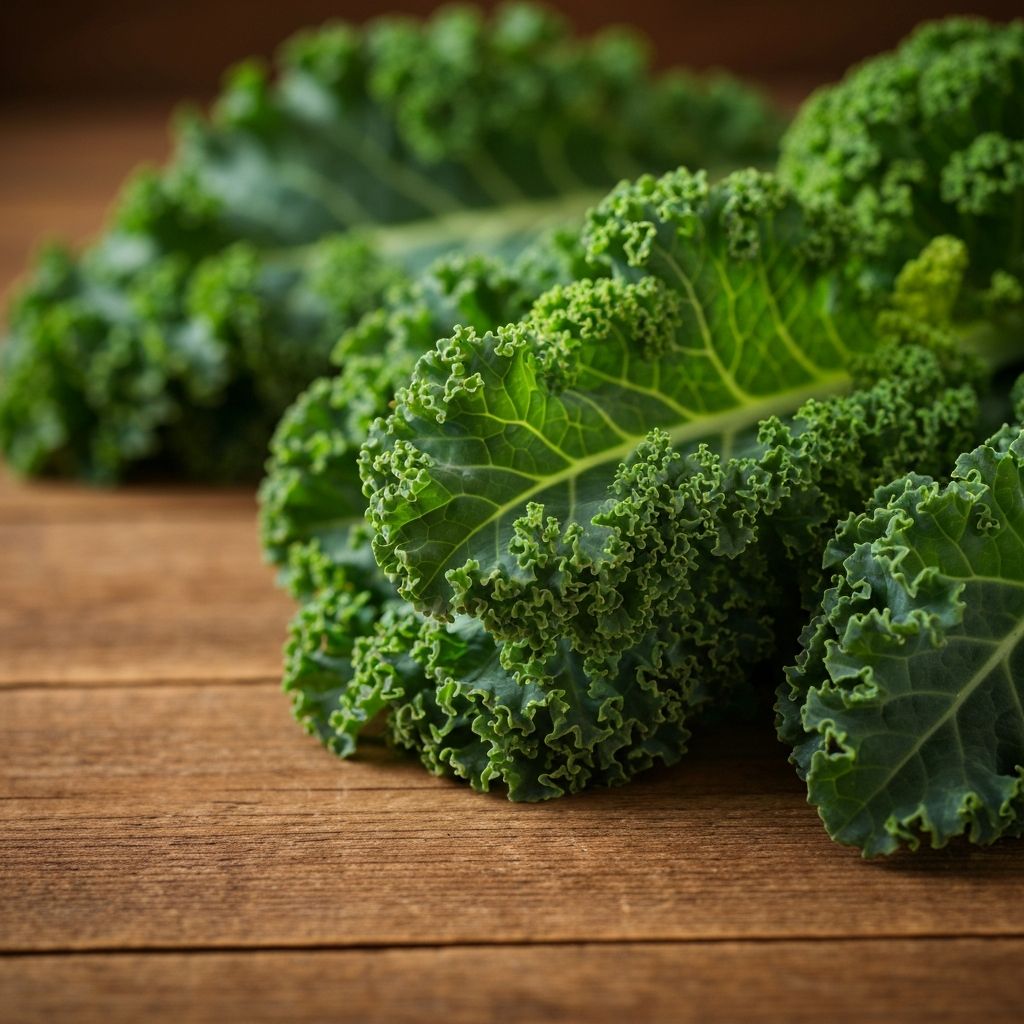
Key Nutrients: Vitamin K, calcium, iron, antioxidants
Kale exemplifies nutrient density among leafy greens, providing substantial vitamin K essential for bone metabolism and blood clotting. Its calcium and iron content contributes to diverse mineral intake in daily nutrition.
Selenium functions as an essential micronutrient supporting thyroid hormone metabolism and antioxidant enzyme systems. Natural food sources provide bioavailable selenium for daily dietary intake.

Primary dietary sources include: Brazil nuts (exceptionally high selenium content), seafood varieties, eggs, mushrooms, whole grains, and legumes. A single Brazil nut can provide substantial daily selenium requirements, making nuts a concentrated natural source. Seafood options like tuna and halibut offer consistent selenium levels alongside other beneficial nutrients.
Calcium supports bone structure maintenance and muscle contraction. Understanding natural food sources helps establish consistent dietary calcium intake independent of supplementation.
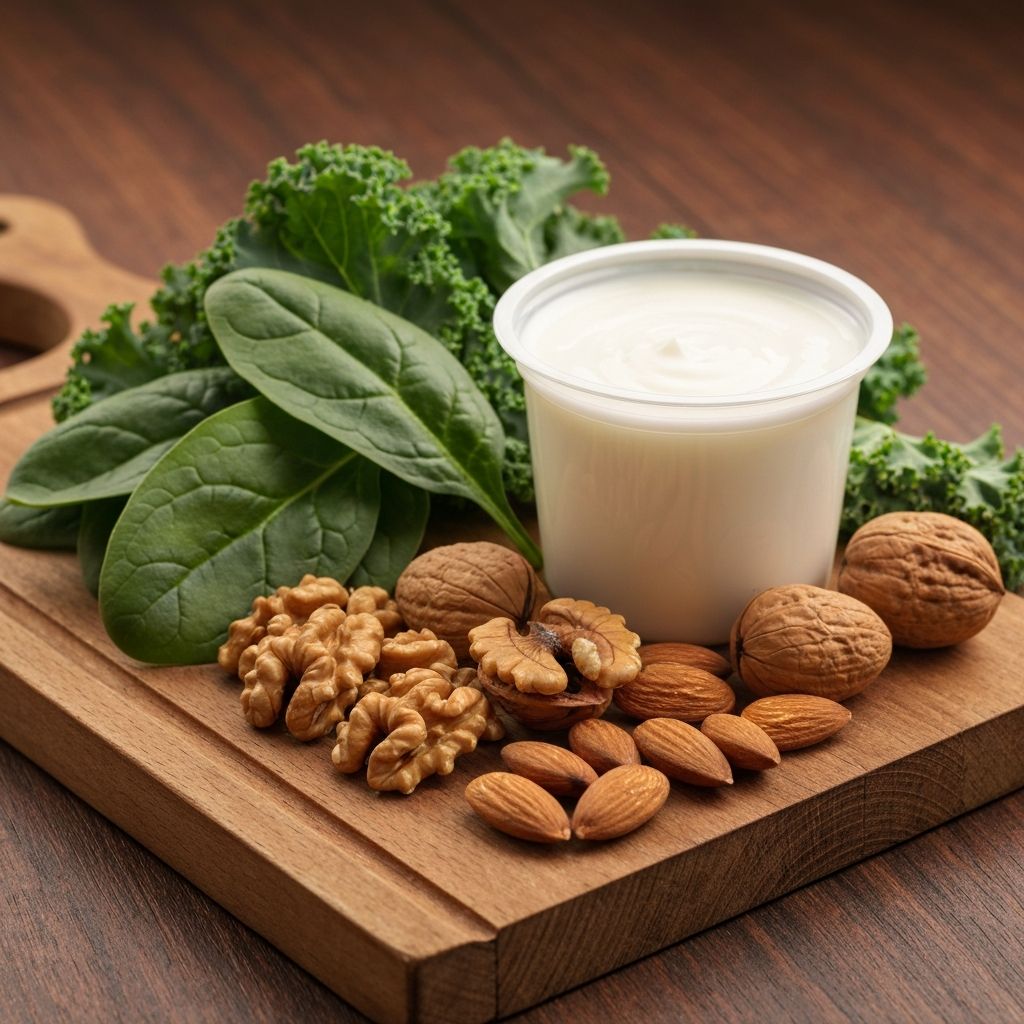
Diverse calcium sources extend beyond dairy: Leafy greens like kale and collard greens provide bioavailable calcium; almonds and sesame seeds offer plant-based mineral content; sardines and canned fish with bones provide both calcium and additional nutrients. Varied dietary approaches allow for meeting calcium needs through multiple food categories rather than reliance on single sources.
Vitamin K plays critical roles in bone metabolism and blood coagulation. The nutrient exists in two primary forms—phylloquinone (K1) from plant sources and menaquinone (K2) from animal products and fermented foods.
Phylloquinone (K1) sources: Leafy green vegetables including kale, spinach, broccoli, and cabbage provide high phylloquinone concentrations. These vegetables represent practical everyday food options for vitamin K intake.
Menaquinone (K2) sources: Fermented foods, certain cheeses, and animal products contain K2 forms. Natto (fermented soybeans) represents an exceptionally high K2 source, while aged cheeses and egg yolks offer moderate levels.
Dietary variety naturally provides both vitamin K forms, supporting the full spectrum of vitamin K's biological functions in the body.
Magnesium participates in over 300 enzymatic reactions within the body, including energy production, protein synthesis, and nerve signal transmission. Natural food sources provide accessible magnesium for dietary intake.

Concentrated magnesium sources include: Pumpkin seeds and sunflower seeds (highest concentrations), almonds and cashews, dark chocolate, leafy greens (especially spinach), and legumes. Whole grains and fish varieties contribute moderate magnesium levels. Varied plant and animal food sources collectively support adequate daily magnesium intake.
Antioxidants represent diverse compounds naturally present in foods, functioning to neutralize oxidative stress within cellular environments. Understanding antioxidant-rich foods contributes to informed dietary choices.
Polyphenol-rich fruits: Berries (blueberries, blackberries, raspberries) contain high anthocyanin concentrations. Pomegranate, grapes, and dark cherries offer diverse polyphenolic compounds supporting antioxidant defense systems.
Vegetable antioxidants: Dark leafy greens, tomatoes, bell peppers, and cruciferous vegetables provide vitamins C and E alongside phytochemicals with antioxidant properties.


Additional antioxidant sources: Dark chocolate (cocoa polyphenols), green and black tea (catechins and theaflavins), nuts (vitamin E, polyphenols), and legumes provide layered antioxidant support through varied compounds.
Dietary diversity ensures exposure to multiple antioxidant types, as different foods contain distinct compounds working through varied mechanisms within cellular environments.
Understanding daily nutrient intake patterns provides context for balanced dietary approaches. Throughout each day, multiple meals and snacks contribute cumulatively to total nutrient consumption.
Morning foundation: Eggs, whole grains, and dairy products initiate daily intake of selenium, magnesium, vitamin K, and calcium. Fruits and berries add antioxidant compounds and additional micronutrients.
Midday contributions: Leafy green salads, legume-based dishes, nuts, and seeds build upon morning intake. Seafood or poultry options provide protein alongside additional minerals and fatty acids.
Evening completion: Fish, vegetables, and whole grains finalize daily nutrient profiles. Varied dinner components collectively address the full spectrum of essential micronutrients through natural food sources.
This cumulative daily pattern, maintained consistently over time, supports the physiological processes requiring diverse nutrients for optimal functioning.
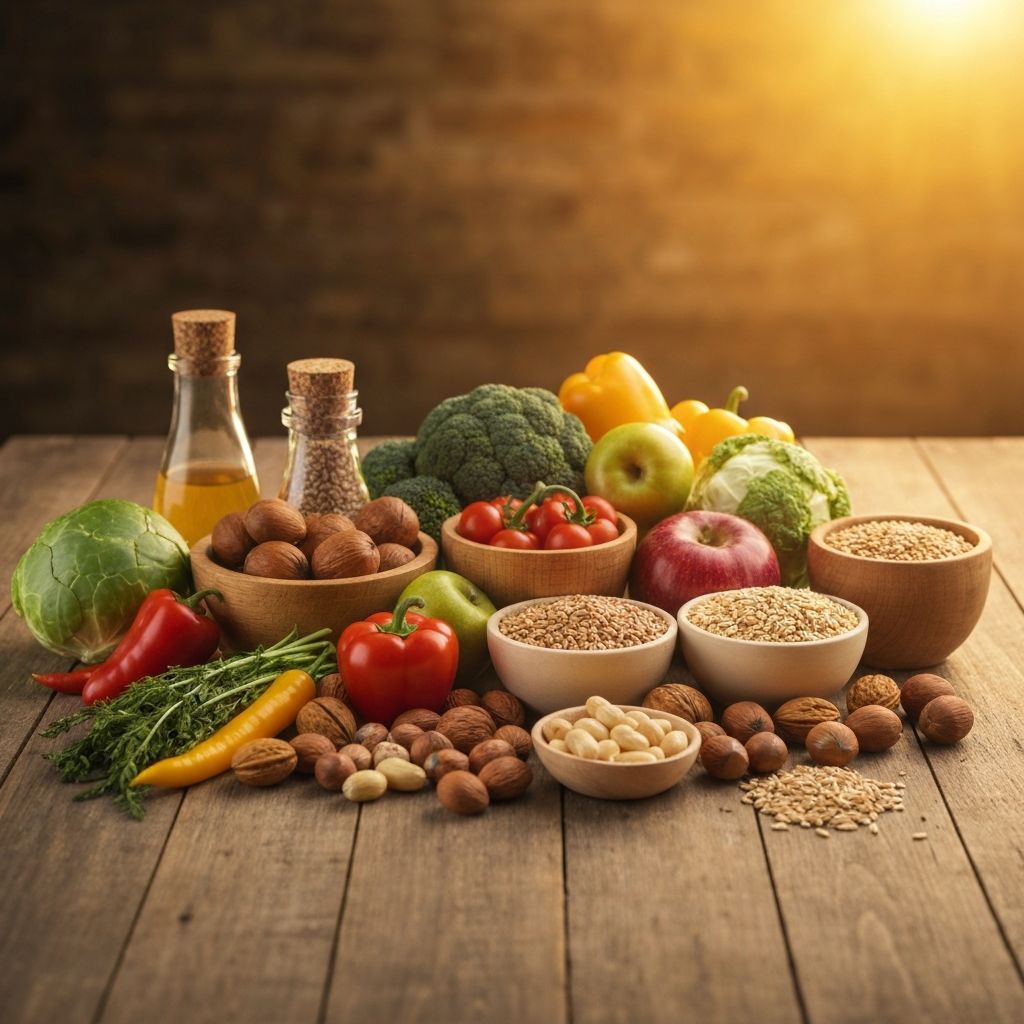
Nutritional science emphasizes dietary diversity as fundamental to adequate micronutrient intake. No single food contains all essential nutrients in optimal ratios; therefore, varied food selection across multiple categories ensures comprehensive nutrient provision.
Cross-category variety benefits: Including vegetables, fruits, whole grains, legumes, nuts, seeds, fish, and animal products creates overlapping nutrient profiles. This approach naturally accommodates individual food preferences while maintaining nutritional completeness.
Variety also provides resilience—if consumption of one nutrient source decreases temporarily, other sources continue contributing. This dietary flexibility supports consistent nutrient intake despite fluctuating food availability or personal preferences.
Nutrients function within interconnected physiological systems where balance proves essential. Certain nutrients enhance each other's absorption and function, while others require careful ratio consideration.
Synergistic relationships: Vitamin C enhances iron absorption; vitamin D improves calcium utilization; certain amino acids facilitate mineral transport. Understanding these relationships contextualizes the importance of varied nutrient sources consumed together within meals.
Balance considerations: Sodium and potassium maintain electrochemical gradients; calcium and phosphorus regulate bone homeostasis; different antioxidant compounds work through complementary mechanisms. These balance principles explain why single nutrient focus represents an incomplete nutritional approach.
This interconnected nutrient network operates continuously, maintaining the physiological processes supporting daily life and well-being. Natural food-based approaches inherently provide balanced nutrient profiles evolved through human dietary history.

Nutritional science continues examining how naturally-occurring nutrients function within human physiology. Decades of research establish fundamental roles for minerals, vitamins, and phytochemicals in supporting bodily processes.
Research foundations: Biochemistry reveals specific enzyme systems requiring particular cofactors (selenium for glutathione peroxidase, magnesium for ATP production). Epidemiological studies track population health correlations with dietary patterns. Clinical investigations document nutrient status markers under varied dietary conditions.
Emerging perspectives: Contemporary research explores phytochemical diversity, gut microbiome interactions with dietary components, and individual nutrient requirement variations. This expanding body of knowledge continually refines understanding of how food-based nutrition supports physiological health.
This educational resource synthesizes established nutritional science without claiming novel discoveries, presenting widely recognized facts about natural nutrient sources and their biological functions.
Informational Purpose: All materials presented on this website serve exclusively educational and informational purposes. Content explains nutritional science concepts and identifies natural food sources of various nutrients.
Not Medical Advice: This resource provides no personalized recommendations, medical advice, treatment guidance, or health directives. Individual nutritional needs vary substantially based on age, health status, activity level, medications, and medical conditions.
Professional Consultation: Individuals with specific health concerns, medical conditions, or medication interactions should consult qualified healthcare professionals for personalized guidance. This website cannot replace professional medical assessment or clinical judgment.
Individual Variation: Dietary approaches that support one person's well-being may not suit another. Food sensitivities, allergies, cultural preferences, and individual physiology create diverse nutritional requirements and appropriate dietary patterns.
Explore additional detailed explanations about specific nutrients and their natural food sources through our FAQ section and informational pages.